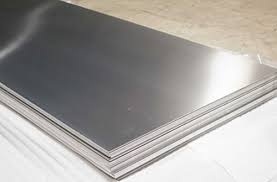
Duplex Stainless Steels
Duplex stainless steel is a special type of metal that is made up of two steels. It has a dual-phase structure, which means that about half of it is made of austenitic steel and half of it is made of ferritic steel. This mix creates a metal that is much stronger than standard stainless steels. Because it handles harsh environments so well, industries everywhere are choosing it for their toughest jobs. Engineers need a material that won’t break when put under pressure or rust away in salt water. Due to this, the use of duplex steel S32205 sheets in industries like oil, gas, and chemical processing has gone up a lot. Understanding which grade to use is the key to building structures that last for decades.
What Makes Duplex Stainless Steel Unique?
The secret to this metal is its balance. Imagine a material that has the toughness of the 300-series (austenitic) steels but the strength and rust resistance of the 400-series (ferritic) steels. That is a duplex. By balancing these two phases, manufacturers create a metal that resists stress corrosion cracking, a common problem where metal brittle-cracks in hot, salty conditions.
Another big draw is the cost. Standard stainless steels use a lot of nickel, which is expensive and has volatile pricing. Duplex uses less nickel but adds more chromium and nitrogen. This makes it more affordable without losing quality. It is a smart choice for projects that need high performance on a budget.
Common Grades of Duplex Stainless Steel
- Standard Duplex (S31803 / S32205): These are the workhorses of the industry. S32205 is the most common grade you will find. It offers excellent resistance to pitting and is much stronger than the 316L stainless steel often used in marine settings.
- Lean Duplex: These grades have even less nickel. They are perfect for structural uses like bridges or storage tanks where high strength is needed but the environment isn’t extremely corrosive.
- Super Duplex: These are for the most extreme jobs. They have higher levels of chromium and molybdenum. You will see these used in deep-sea oil wells or desalination plants where the salt and acid levels are very high.
- S32205 in Fabrication: Because it is so reliable, duplex steel S32205 sheets are the top choice for making large containers, pipes, and heat exchangers.
Mechanical and Physical Characteristics
- High Strength: Duplex steels have roughly twice the yield strength of regular stainless steels. This means you can use thinner sheets to do the same job, which saves weight and money.
- Toughness: Even though it is hard, it isn’t brittle. It can absorb a lot of energy before it breaks, which is vital for safety in heavy industries.
- Thermal Properties: It expands less than austenitic steel when it gets hot and conducts heat better. This makes it a great fit for machines that deal with frequent temperature changes.
- High Loads: Under heavy pressure, duplex maintains its shape. It resists fatigue better than most metals, meaning it won’t wear out as fast under repeated stress.
Corrosion Resistance and Environmental Performance
- Pitting and Crevices: In salty water, small holes called “pits” can form in metal. Duplex resists this very well. It also stops corrosion from starting in tight gaps or under gaskets.
- Chloride Resistance: Many steels fail when they touch chlorides (like road salt or seawater). Duplex thrives here, making it the standard for offshore drilling.
- Grade Comparison: While lean duplex is good for general use, super duplex is the king of corrosion resistance. Choosing the right one depends on how harsh the air or liquid around the metal will be.
- Long-term Value: As it doesn’t rust away, you don’t have to replace it as often. This saves a massive amount of money on maintenance over the years.
Weldability, Fabrication, and Machinability Considerations
Working with duplex requires the right tools.
- Welding Best Practices: Welding duplex is different from welding regular steel. You have to keep the balance between the two phases. If you get it too hot or cool it too slowly, the metal can become weak.
- Heat Control: Welders must watch the “interpass” temperature. This keeps the metal from forming brittle spots that could crack later.
- Machining: As duplex is so strong, it is harder to cut and drill. You need sharp tools and slower speeds compared to softer steels.
- Fabrication: Despite being tough, duplex steel S32205 sheets can be bent and formed into complex shapes like pipes and pressure vessels.
Selection Criteria for Choosing the Right Duplex Grade
Picking the right duplex grade is about finding a balance. You need a metal that is strong enough for the job but not more expensive than it needs to be. If you choose a grade that is too weak, the metal might rust or snap. If you choose one that is too high-end, you are spending money on features you don’t actually use.
1. Analyze the Service Environment
The most important factor is what the metal will touch every day. You have to look at the chemicals, the salt levels, and the temperature. Experts use a formula called the Pitting Resistance Equivalent Number (PREN) to measure how well a grade handles rust.
- Lean Duplex: This is great for bridges or storage tanks where the air isn’t very salty or acidic.
- Standard Duplex (S32205): This is the most popular choice for general chemical processing and marine environments.
- Super Duplex: This is for the toughest jobs, like deep-sea pipes or machines that handle very hot, concentrated acids.
2. Compare Strength and Weight
One of the best things about duplex is its high yield strength. It is roughly twice as strong as the 300-series stainless steels most people are used to.
- Thinner Materials: Because the metal is so strong, you can use thinner duplex steel S32205 sheets to build the same structure.
- Weight Savings: Using thinner sheets makes the final product lighter. This saves money on shipping and makes installation much easier on-site.
3. Balance Cost and Long-Term Value
You have to look past the initial price tag. While duplex might cost more per pound than some basic steels, it often saves money over time.
- Price Stability: Duplex uses less nickel than other stainless steels. Since nickel prices change wildly, duplex prices stay more predictable.
- Low Maintenance: Because it resists corrosion so well, you won’t have to spend money on painting, coating, or replacing parts every few years.
4. Consider Fabrication and Welding
Not all shops are set up to work with duplex. It is a hard metal that requires specific techniques to keep its unique 50/50 phase balance.
- Welding Needs: You must control the heat very carefully during welding. If it gets too hot, the metal loses its strength and rust resistance.
- Toughness: Because duplex is so hard, it can wear out cutting tools faster. You need to make sure your fabrication team has the right equipment to handle it.
5. Check Standards and Certifications
Every industry has its own rules. Check that the metal meets the codes for your project before you buy it. For example, for pressure vessels, you should look for ASTM A240, and for oil and gas work, you should look for NACE standards. Using certified materials makes sure that your project is safe and follows all the rules.
Key Industrial Applications of Duplex Stainless Steels
Duplex steel can be used in almost every major industry. Following are a few key industrial applications of duplex stainless steel.
- Oil and Gas: It is used for subsea pipelines and platforms where the pressure is high and the water is salty.
- Desalination: Plants that turn seawater into drinking water use duplex because it doesn’t corrode in the highly concentrated brine.
- Chemical Plants: Tanks and pipes that hold corrosive chemicals rely on the durability of duplex.
- Modern Infrastructure: Duplex steel S32205 sheets are now used to build bridges and sea walls so that they will last for a hundred years without needing repairs.
Making the Right Choice with Duplex Stainless Steels
Choosing appropriate materials is essential to lead any engineering project towards success. Duplex stainless steels provide an excellent combination of high strength and extreme rust resistance that hardly any other metals can challenge. Knowing the difference between lean, standard, and super duplex grades is a worthwhile step for a safe and cost-effective project. When it comes to getting knowledgeable help on material sourcing, Palgotta Metal is here to help. Feel free to get in touch with us to share your needs and get the ideal steel answer. It does not matter if you are constructing a chemical tank or a bridge because the right duplex grade will assure the durability you want.