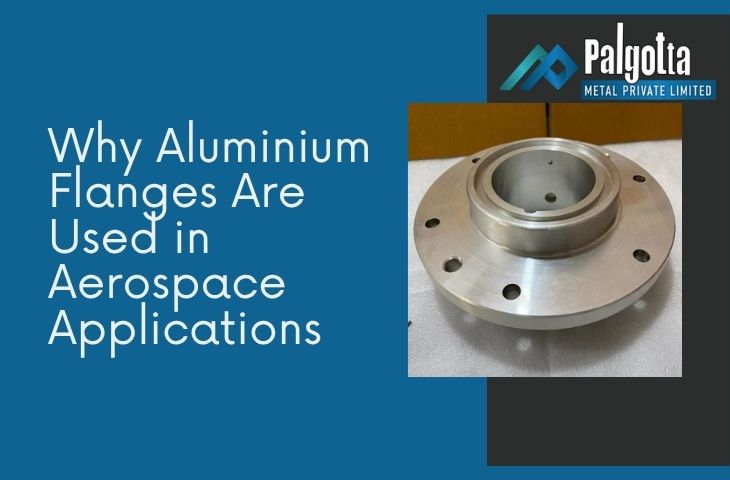
Aerospace systems are brutal. The components have to withstand pressure, temperature fluctuations and constant vibration while maintaining the lowest possible weight. Aluminum flanges are a frequent choice in aircraft design because they meet most of these demands without complicating things too much. Aerospace Aluminium Flanges are found in fuel lines, hydraulic systems, and structural connections. Aluminium Pipe Flanges are common wherever lightweight, pressure-resistant joints are needed.
What Are Aluminum Flanges?
A flange is a part that joins pipes, valves, or equipment in a piping system, forming a connection that can endure pressure and be taken apart when necessary. Aluminium flanges are machined or forged from aluminium alloy stock. Types are Weld Neck Flanges, Slip On Flanges, Blind Flanges, Threaded Flanges and Socket Weld Flanges. For aerospace, grades 6061, 7075, and 2024 are most commonly specified.
Why Material Selection Matters in Aerospace
Every bit of weight added to an aircraft has a cost. More weight means more fuel burned. Aerospace materials must be lightweight, strong, corrosion-resistant, and durable over long service cycles. These aren’t optional requirements. They directly affect safety and operating cost, which is why material choices here get reviewed more carefully than in most other industries.
Key Reasons Aluminium Flanges Are Used in Aerospace Applications
Several properties make aluminium the preferred choice for aerospace flanges.
- Lightweight Properties: Aluminum weighs about 1/3 as much as steel. That difference adds up over an aircraft with hundreds of flange connections and equates directly to reduction in fuel consumption.
- High Strength-to-Weight Ratio: Aluminium alloys are lightweight but very strong. Components of aircraft piping and structural systems must have load-carrying capacity. Aluminium does that without the weight penalty of steel.
- Excellent Corrosion Resistance: Aluminium develops a natural oxide layer which is resistant to moisture, chemicals and atmospheric exposure. Aircraft operate in variable and often harsh conditions. That built in protection works well for most traditional applications.
- Good Thermal Conductivity: Aluminium is a good conductor of heat. Many aerospace systems produce heat . This property helps keep components within safe operating limits.
- Easy Fabrication and Machining: Aluminium can be machined at a higher rate than steel or nickel alloys. Tight-tolerance complex aerospace parts are easier to make, which is important for quality and cost of production.
- Resistance to Vibration and Stress:Airplanes are always shaking when they are flying. Aluminium alloy flanges do not suffer from early fatigue failure and are structurally sound under repeated stress.
Common Aerospace Applications of Aluminium Flanges
Aluminium flanges appear across several systems in aircraft and spacecraft.
- Aircraft Fuel Systems – Lightweight connections in fuel delivery lines where weight and corrosion resistance both matter.
- Hydraulic Systems – Reliable sealing under varying pressure throughout the airframe.
- Engine Components – Lightweight, heat-tolerant connections near engine systems.
- Structural Aerospace Assemblies – Airframe connections and lightweight framework joints.
- Spacecraft and Satellite Systems – Launch cost is directly tied to weight. Saving kilograms here has real financial value.
Popular Aluminium Grades for Aerospace Flanges
Aluminium 6061 is the most widely used grade. It has good strength, is weldable, and corrosion-resistant. Aluminium 7075 is chosen for higher-stress structural parts, though it is harder to weld. Aluminium 2024 is used in airframe structures specifically for its fatigue resistance. Grade selection comes down to the load and environmental conditions of each application.
Aluminium Flanges vs Stainless Steel Flanges
Stainless steel is stronger and handles higher temperatures. But it’s considerably heavier. For most standard aerospace piping and structural applications, aluminium flanges do the job at a fraction of the weight and cost less to machine. Where extreme heat or pressure is involved, Stainless Steel still applies. For standard systems, aluminium is the practical default.
Benefits of Using Aluminium Flanges in Modern Aerospace Engineering
Using aluminium flanges makes aircraft lighter, so they burn less fuel and cost less to operate. The components last longer, so parts need replacing less often. They are also easier to install and service, which reduces downtime. Together, these benefits improve performance and reliability across many types of aircraft and system layouts.
Factors to Consider When Selecting Aluminium Flanges
Start with operating pressure and temperature range. Then confirm alloy grade based on mechanical requirements. Compatibility with aerospace fluids and certification compliance also need to be verified before finalizing any specification.
Future of Aluminium in Aerospace
Aircraft makers in both aviation and space are pushing for lighter designs to cut fuel use and launch costs. To support this, engineers are developing new aluminium alloys that are stronger and handle more heat. Because of these advances, aluminium is expected to be used in even more aerospace components, not fewer.
Conclusion
Aluminium flanges suit aerospace applications because the material covers the core requirements of being low weight, corrosion resistant, having adequate strength, and being practical for machining. At Palgotta Metal Pvt Ltd, established in 1992, we have over three decades of experience supplying quality metal products to demanding industries. We understand what aerospace and industrial specifications require and are equipped to deliver accordingly.