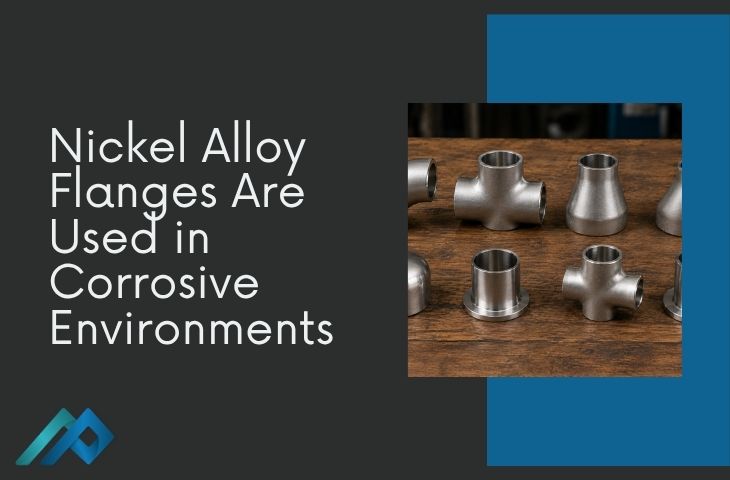
Why Nickel Alloy Flanges Are Used in Corrosive Environments is a question we answer every day on the shop floor. Standard steel connections simply give up when extreme heat, aggressive chemicals, and intense pressure collide. For critical systems, these specialized components step in where stainless steel fails. They prevent dangerous leaks, protect equipment, and stop unexpected shutdowns.
What Are Nickel Alloy Flanges?
Nickel alloy flanges are industrial connectors for pipes, constructed of high nickel alloys. This includes special grades like Inconel, Monel and Hastelloy. They join pipelines, valves and heavy gear, making tight, secure seals. They maintain their shape under great stress maintaining high pressure systems tightly sealed from cryogenic cold to red hot temperatures.
Why Corrosive Environments Require Specialized Flanges
Raw chemicals and heavy industrial fluids attack metal joints from every angle. Basic steel components cannot survive these conditions for long.
- Chemical Attack: Aggressive chemical combinations and acid process lines chip away at typical sealing faces.
- Chloride Pitting: Attack of small areas on the metal by hot seawater and chloride-rich fluids, resulting in fast cracking.
- Thermal Fatigue: Rapid temperature fluctuations distort normal flanges and loosen the bolted joint.
- Electrochemical corrosion: Normal alloys are subjected to consistent wetness and high humidity that perpetually promote rust.
Standard materials often fail against such versatile challenges. These specialised alloys are credited with surviving because they develop resistance deep within their atomic matrix, not on a fragile top layer.
Key Properties That Make Nickel Alloy Flanges Ideal for Corrosive Environments
Acid Resistance
This property is a specialized chemical defense. It prevents active acids from dissolving the metal. In practice, this keeps the flange faces smooth so gaskets do not fail.
High-Temperature Strength
This property offers advanced structural stability under heat. The metal maintains its toughness when things get red hot. This prevents joint sagging and structural deformation under load.
Oxidation Protection
This property provides a built-in heat barrier. It stops protective oxide scales from flaking off during rapid temperature changes. It keeps the seal intact during long runs.
Long-Term Lifespan
This property is a highly durable design. It resists slow degradation over decades. It keeps plants running safely without constant replacement shutdowns.
Low Maintenance Needs
This property is an exceptionally stable metal structure. It requires no special coatings or rust-preventing current systems. This cuts down on daily inspection routines.
How Nickel Content Improves Corrosion Resistance
Nickel’s atomic structure is unique and it stops chloride-driven cracking in its tracks. This interior screen prevents cracks from spreading through the metal, especially around welded zones. This is also combined with a strong, self-healing coating on the surface of chromium and molybdenum. Some grades can withstand hydrochloric acid and others can handle hot salt water. That’s why these components are cost-saving over time.
Benefits of Using Nickel Alloy Flanges
When you choose these custom components, you’ll see immediate and ongoing improvements in your operations:
- Less Shutdowns: No more emergency repairs; you get consistent plant operation.
- Lower Maintenance Costs: It lowers the need for frequent pressure checks, tightening bolts and replacing gaskets.
- Better safety: less risk of dangerous substances getting out into the workplace or the environment.
- Higher Value: Eliminates early replacement cycles to reduce budget during the life of the piping system.
Factors to Consider Before Selecting Nickel Alloy Flanges
The practical factors for customising the flange to the specific needs of your system are:
- Operating limits: Maximum pressure and temperature are in proepr compliance with normal industry practice.
- Acid, salt or high heat: Decide your main threat before you choose. Acid. Salt. Heat.
- Alloy Grade: Monel: Acids Hastelloy – Chlorides Inconel – High Temperature Areas Alloy Grade System Standards: Standards: Flanges shall be in accordance with major industrial codes such as ASME or EN.
- Life Cycle Cost: Cost of starting material Total saving.
Why Choose Palgotta Metal Pvt Ltd for Nickel Alloy Flanges?
We manufacture and supply High Quality Nickel Alloy Flanges in standard designs. We stock trusted grades including Inconel, Monel and Hastelloy. With extensive material testing and total traceability, we trace each piece from raw metal to finished item. We have the right parts for your system at the right time, whether stock sizes or bespoke sizes.
Conclusion
Choosing the right pipe connector is the difference between a reliable system and a dangerous leak. While nickel alloys cost more initially, they protect your lines from early failure. Your next step is evaluating your system’s temperature and chemical exposure. Contact our team to match your specific application needs with the perfect alloy.