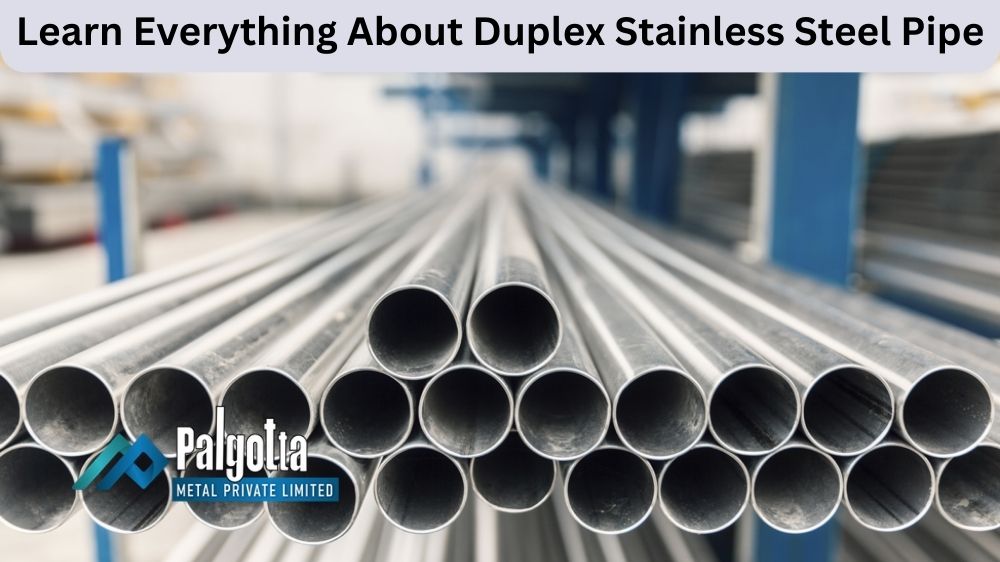
Duplex Stainless Steel Pipes are becoming increasingly popular for their exceptional strength, corrosion resistance, and durability. They’re also known for their unique features that make them ideal for use in a wide range of applications, including chemical and petrochemical processing, oil and gas, and desalination plants, among others. If you’re not familiar with duplex stainless steel pipes, don’t worry, we’ve got you covered. In this blog post, we’ll provide you with a comprehensive overview of everything you need to know about duplex stainless steel pipes.
Overview: Duplex Stainless Steel and Its Properties
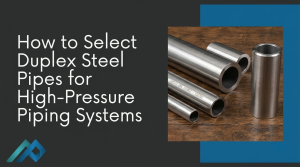
Duplex stainless steel is a type of steel that combines the properties of both austenitic and ferritic stainless steel. This combination results in a material that’s twice as strong as regular stainless steel, while also being highly corrosion resistant. Duplex stainless steel pipes are commonly used in high-stress environments that require superior strength and durability, such as offshore oil rigs, power plants, and chemical processing plants.
Classification of Duplex Stainless Steel Pipe Types
Duplex stainless steel pipes are known for their two-phase microstructure, combining austenitic and ferritic properties. This gives them high strength, excellent corrosion resistance, and good weldability, making them suitable for demanding industrial applications. The main types of duplex stainless steel pipes are:
Often used in fabricated components and less aggressive environments.
Standard Duplex (2205 / UNS S32205)
- The most commonly used duplex grade.
- Offers a balanced combination of strength and corrosion resistance.
- Widely used in chemical processing, oil & gas, and desalination plants.
Super Duplex (2507 / UNS S32750)
- Higher chromium, molybdenum, and nitrogen content than standard duplex.
- Provides exceptional resistance to pitting and crevice corrosion, even in aggressive chloride environments.
- Ideal for offshore oil & gas platforms, marine applications, and chemical industries.
Lean Duplex
- Lower alloyed, cost-effective option.
- Retains good corrosion resistance and strength while being more economical.
- Suitable for general water treatment, structural applications, and moderate industrial environments.
Super Lean Duplex
- A newer variant with minimal alloying elements.
- Offers moderate corrosion resistance with high mechanical strength at a lower cost.
- Often used in fabricated components and less aggressive environments.
Key Industrial Applications of Duplex Stainless Steel Pipes
Duplex stainless steel pipes are used in a wide range of industries for a variety of reasons.
- Chemical & Petrochemical Plants – Resist highly corrosive chemical environments.
- Oil & Gas Industry – Withstand high pressure and elevated temperatures.
- Desalination Plants – Resist saltwater corrosion.
- Offshore Oil Rigs – Endure harsh marine conditions.
- Power Generation Facilities – Handle high-temperature and high-pressure applications.
- Architecture & Construction – Provide strength and aesthetic finish.
Benefits and Performance Advantages of Duplex Stainless Steel Pipes
One of the main advantages of duplex stainless steel pipes is their strength and durability. They can withstand high-stress environments and last longer than other types of piping materials. They’re also highly corrosion-resistant, which makes them ideal for use in harsh environments. Additionally, duplex stainless steel pipes require minimal maintenance and have a high heat resistance, which makes them useful in high-temperature applications.
Conclusion
In conclusion, duplex stainless steel pipes are a popular material choice for a wide range of industries because of their superior strength, corrosion resistance, and durability. Whether you’re in the chemical processing, oil and gas, or desalination industries, duplex stainless steel pipes are a reliable choice for piping systems. They can withstand harsh environments, require minimal maintenance, and are cost-effective in the long run. If you need a piping system that can handle high-stress and corrosive environments, consider using duplex stainless steel pipes.